Trunk Show: FRANK HUNTER
The boxed pines of North Carolina's Weymouth Heights are living totems of local history.
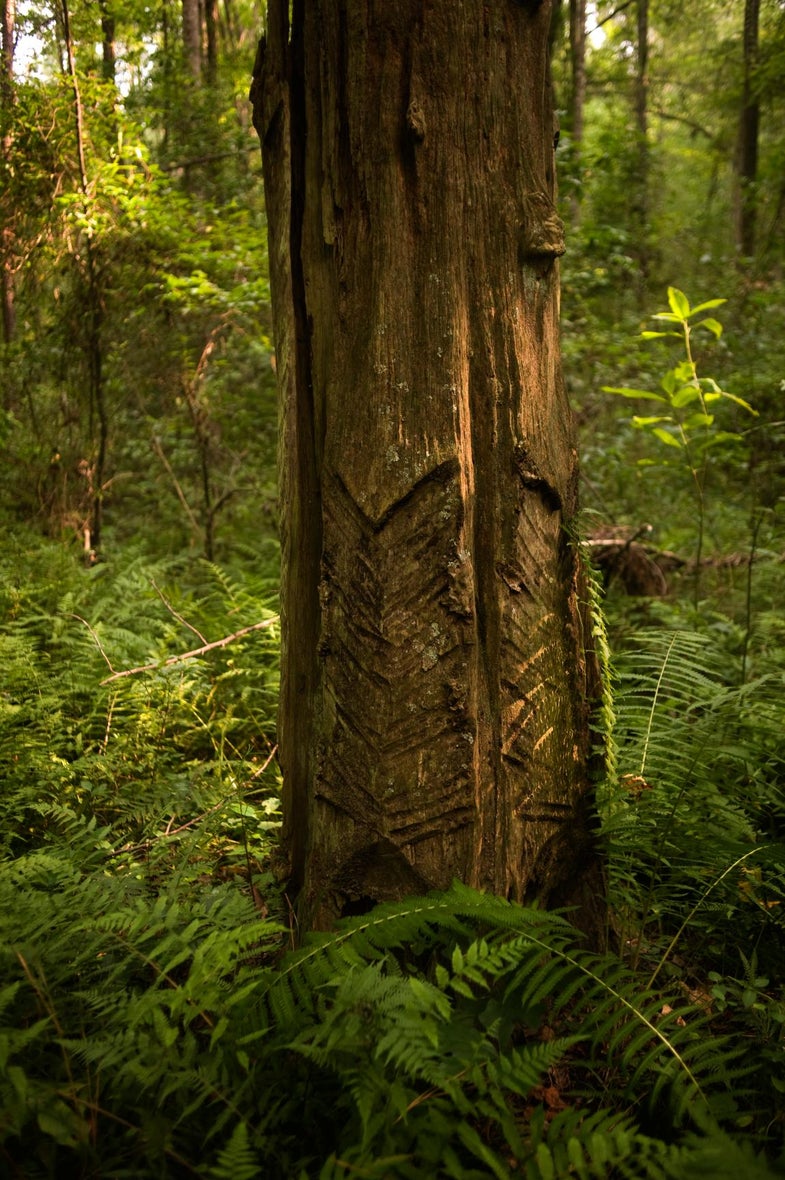
The Trees: The boxed pines of Weymouth Heights, in NC
The Threat: Development, fire suppression Read more about Frank Hunter’s photos. Frank Hunter
A professor at The Center for Documentary Studies at Duke University, Hunter is recognized as a master of the platinum/palladium process, a revived 19th-century printing technique. His prints are in the collection of the High Museum of Art in Atlanta, and have been exhibited the Fahey/Klein Gallery in Los Angeles.
If they look close enough, visitors to Weymouth Heights, a wooded subdivision in the North Carolina town of Southern Pines, will find strange carvings on many of the long-leaf pines (Pinus palustris) that populate the area. The V-shaped gashes date to the second half of the 19th century, when former slaves made them to drain the trees of their viscous sap. Once accumulated in a hollow “box” carved into the base of a tree’s trunk—thus the trees’ odd moniker—the sap was collected to make turpentine, rosin, and a sticky pitch for solvent, sealing, and adhesive purposes.
These age-old marks transcend their utilitarian origins, according to Frank Hunter. “One that I photographed reminded me of a human torso,” he recalls. “Many of the others were reminiscent of African masks, mummies or faces.” Indeed, the remaining stumps and trunks of boxed pines, which the locals once maintained through controlled fires that kept young hardwoods from taking over the land, have a highly totemic quality. Like Weymouth Heights’s intact boxed pines, they are not protected by any local ordinances.
The history-laden subject was a natural one for Hunter, particularly in light of his role as a teacher at Duke’s Center for Documentary Studies. Yet the photographer challenged himself to shoot in color rather than his usual black-and-white, which he prints so artfully with the platinum/palladium process that he is much in demand as an instructor in the antiquarian technique. And though he brought a bulky view camera along on his trip south, he ended up shooting the trees with a digital SLR. “Often after seeing something of interest, I return at a time of day with better light,” says Hunter, who ordinarily captures his subjects on 4×5 sheets of film. “Using the DSLR meant I didn’t have to haul my view camera back in 100-degree heat. More important, the way digital lets you explore a subject may be bringing me closer to the way I really see things.”
Back To the Main Article
Back to Main Gallery ****
The Trees: Louisville, KY’s Olmsted-designed parks and parkways
The Threat: Highway building and severe weather Read more about Bob Hower’s photos Bob Hower
The Trees: Louisville, KY’s Olmsted-designed parks and parkways.
The Threat: Highway building and severe weather. Read more about Bob Hower’s photos. Bob Hower
The Trees: Louisville, KY’s Olmsted-designed parks and parkways.
The Threat: Highway building and severe weather. Read more about Bob Hower’s photos. Bob Hower
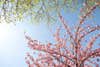
The Trees: Japanese flowering cherries at Newark, NJ’s Branch Brook Park
The Threat: Urban development and poor maintenance Read more about Yong Hee Kim’s photos Yong Hee Kim
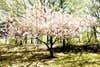
The Trees: Japanese flowering cherries at Newark, NJ’s Branch Brook Park.
The Threat: Urban development and poor maintenance. Read more about Yong Hee Kim’s photos. Yong Hee Kim
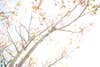
The Trees: Japanese flowering cherries at Newark, NJ’s Branch Brook Park.
The Threat: Urban development and poor maintenance. Read more about Yong Hee Kim’s photos. Yong Hee Kim
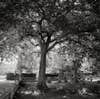
The Trees: The American elms of East Hampton, NY
The Threat: Dutch elm disease Read more about Garie Waltzer’s photos Garie Waltzer
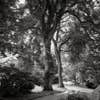
The Trees: The American elms of East Hampton, NY.
The Threat: Dutch elm disease. Read more about Garie Waltzer’s photos. Garie Waltzer
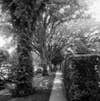
The Trees: The American elms of East Hampton, NY.
The Threat: Dutch elm disease. Read more about Garie Waltzer’s photos. Garie Waltzer
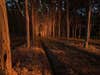
The Trees:The old-growth forest of the abandoned Arborland tree Farm, Milliken, CO.
The Threat: Urban development, habitat destruction. Read more about Jay Dickman’s photos. Jay Dickman
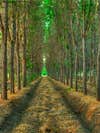
The Trees:The old-growth forest of the abandoned Arborland tree Farm, Milliken, CO.
The Threat: Urban development, habitat destruction. Read more about Jay Dickman’s photos. Jay Dickman
The Trees:The old-growth forest of the abandoned Arborland tree Farm, Milliken, CO
The Threat: Urban development, habitat destruction Read more about Jay Dickman’s photo. Jay Dickman
The Trees:The old-growth forest of the abandoned Arborland tree Farm, Milliken, CO.
The Threat: Urban development, habitat destruction. Read more about Jay Dickman’s photos. Jay Dickman
The Tree: A historic tulip poplar at Washington, DC’s Tudor Place Historic House and Garden.
The Threat: The tree’s age, which makes it more vulnerable to weather and environmental changes. Read more about Amy Bedik’s photos__. Amy Bedik
The Tree: A historic tulip poplar at Washington, DC’s Tudor Place Historic House and Garden.
The Threat: The tree’s age, which makes it more vulnerable to weather and environmental changes. Read more about Amy Bedik’s photos. Amy Bedik
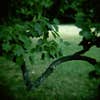
The Tree: A historic tulip poplar at Washington, DC’s Tudor Place Historic House and Garden
The Threat: The tree’s age, which makes it more vulnerable to weather and environmental changes Read more about Amy Bedik’s photos__. Amy Bedik
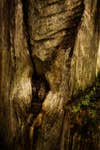
The Trees: The boxed pines of Weymouth Heights, in NC.
The Threat: Development, fire suppression. Read more about Frank Hunter’s photos. Frank Hunter
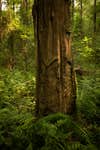
The Trees: The boxed pines of Weymouth Heights, in NC
The Threat: Development, fire suppression Read more about Frank Hunter’s photos Frank Hunter
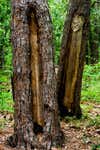
The Trees: The boxed pines of Weymouth Heights, in NC.
The Threat: Development, fire suppression. Read more about Frank Hunter’s photos. Frank Hunter
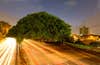
The Trees: Three massive bark-cloth ficuses in San Juan, P.R.
The Threat: A major highway passing directly under the trees’ canopy Read more about Juan A. Pons’ photos__. Juan A. Pons
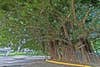
The Trees: Three massive bark-cloth ficuses in San Juan, P.R.
The Threat: A major highway passing directly under the trees’ canopy. Read more about Juan A. Pons’ photos. Juan A. Pons
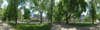
The Trees: Commonwealth Avenue Mall, Boston, MA
The Threat: Heavy use and Dutch elm disease Read more about James Sheldon’s photos James Sheldon
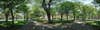
The Trees: Commonwealth Avenue Mall, Boston, MA.
The Threat: Heavy use and Dutch elm disease. Read more about James Sheldon’s photos. James Sheldon
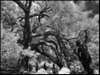
The Trees: The Cummer Oak, a live oak at Jacksonville, Florida’s Cummer Museum of Art & Gardens
The Threat: Age and weather Read more about Larry Nighswander’s photos Larry Nighswander
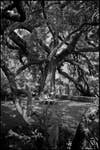
The Trees: The Cummer Oak, a live oak at Jacksonville, Florida’s Cummer Museum of Art & Gardens.
The Threat: Age and weather. Read more about Larry Nighswander’s photos Larry Nighswander
The Tree: A historic tulip poplar at Washington, DC’s Tudor Place Historic House and Garden
The Threat: The tree’s age, which makes it more vulnerable to weather and environmental changes Read more about Amy Bedik’s photos Barbara Bosworth
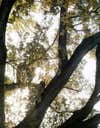
The Tree: A historic tulip poplar at Washington, DC’s Tudor Place Historic House and Garden.
The Threat: The tree’s age, which makes it more vulnerable to weather and environmental changes. Read more about Amy Bedik’s photos. Barbara Bosworth
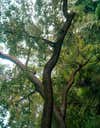
The Tree: a massive black oak at the Katewood estate, Bratenahl, OH.
The Threat: Age and weather. Read more about Barbara Bosworth’s photos__. Barbara Bosworth
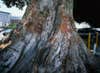
** **The Trees: The Aoyama Tree, a Moreton Bay fig growing in a Los Angeles parking lot
The Threat: THE lack of water and nutrients due to asphalt paving; overpruning Read more about Robert Glenn Ketchum’s photos Robert Glenn Ketchum
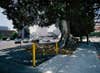
** **The Trees: The Aoyama Tree, a Moreton Bay fig growing in a Los Angeles parking lot.
The Threat: THE lack of water and nutrients due to asphalt paving; overpruning. Read more about Robert Glenn Ketchum’s photos Robert Glenn Ketchum
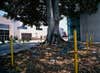
** **The Trees: The Aoyama Tree, a Moreton Bay fig growing in a Los Angeles parking lot.
The Threat: THE lack of water and nutrients due to asphalt paving; overpruning. Read more about Robert Glenn Ketchum’s photos Robert Glenn Ketchum
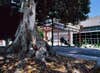
** **The Trees: The Aoyama Tree, a Moreton Bay fig growing in a Los Angeles parking lot.
The Threat: THE lack of water and nutrients due to asphalt paving; overpruning. Read more about Robert Glenn Ketchum’s photos Robert Glenn Ketchum
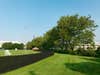
The Trees: A 100-year-old row of American sycamores in Ames, Iowa.
The Threat: Infrastructure development; flooding. Read more about Dave Jordano’s photos. Dave Jordano
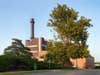
The Trees: A 100-year-old row of American sycamores in Ames, Iowa
The Threat: Infrastructure development; flooding Read more about Dave Jordano’s photos Dave Jordano