We may earn revenue from the products available on this page and participate in affiliate programs. Learn more ›
Sigma-DP1-100-pixel-view-of-the-previous-scene-a
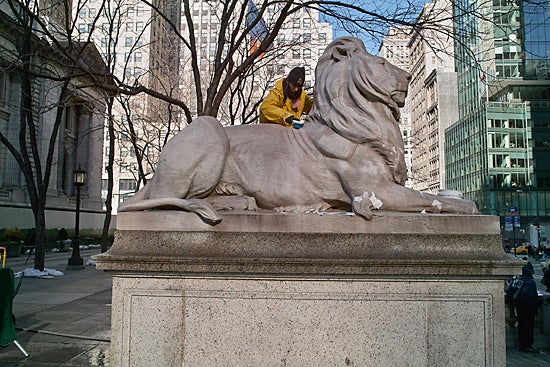
100% pixel view of the previous scene at ISO 100.
Sigma-DP1-IQSigma-DP1-Another-100-pixel-view-of
Another 100% pixel view of the previous scene at ISO 100.
Sigma-DP1-1-160-f-7.1-ISO-800.-Here-s-another-v
1/160 @ f/7.1 ISO 800. Here’s another view outside the New York Public Library, this time at top ISO of 800.
Sigma-DP1-100-pixel-view-of-the-previous-ISO-800
100% pixel view of the previous ISO 800 scene.
Sigma-DP1-Another-100-pixel-view-of-the-previous
Another 100% pixel view of the previous scene at ISO 100.
Sigma-DP1-1-50-f-4.5-ISO-800.-This-available-li
1/50 @ f/4.5 ISO 800. This available light scene of the stairwells inside the New York Public Library reminds me of Harry Potter, even though these steps are marble.
Sigma-DP1-100-pixel-view-of-the-previous-scene
100% pixel view of the previous scene.
Sigma-DP1-1-8-f.4-ISO-100-EV-7.-We-cranked-up-t
1/8 @ f.4 ISO 100 EV+7. We cranked up the Exposure compensation to pop the fruit in this shadowy street scene. It’s nice and sharp for a slow handheld exposure — framed using the optical viewfinder for added stability.
Sigma-DP1-1-10-f-4-ISO-100.-Again-we-were-in-t
1/10 @ f/4 ISO 100. Again, we were in the hard late afternoon shadows of the skyscrapers for this street scene. That is subject movement on the walker, not camera shake, as evidenced by the overall sharpness of the still elements in the scene.
Sigma-DP1-1-25-f4-ISO-100.-This-yellow-sign-mad
1/25 @ f4 ISO 100. This yellow sign made me hungry. And the DP1 did a nice job with shadow detail in this shot. There’s a little bit of blown sky in the background, but evaluative metering held the detail in the majority of the scene.
Sigma-DP1-1-60-f-5-ISO-100.-You-ever-wonder-how
1/60 @ f/5 ISO 100. You ever wonder how all those glass windows get installed on a skyscraper? Next slide shows a closeup of the workers.
Sigma-DP1-100-pixel-view-of-the-previous-scene-a
100% pixel view of the previous scene at ISO 100.
Sigma-DP1-Another-100-pixel-view-of-the-previous
Another 100% pixel view of the previous scene at ISO 100.
Sigma-DP1-1-200-f-8-ISO-200.-Has-anyone-been-ke
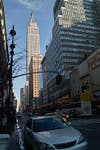
1/200 @ f/8 ISO 200. Has anyone been keeping track of how often I shoot the Empire State Building? It gets great afternoon light!
Sigma-DP1-100-pixel-view-of-the-previous-ISO-200
100% pixel view of the previous ISO 200 scene showing details atop the Empire State Building.
Sigma-DP1-Another-100-pixel-view-of-the-previous
Another 100% pixel view of the previous ISO 200 scene showing shadow detail.
Sigma-DP1-1-20-f.4-ISO-100.-Framing-with-the-op
1/20 @ f.4 ISO 100. Framing with the optional optical viewfinder takes a little bit of practice, as evidenced by my inability to frame this symmetrical scene squarely! Disregard the slight skew, but do look at the lines near the edges of the frame.
Sigma-DP1-1-60-f-4.5-ISO-100-EV-7.-We-went-to
1/60 @ f/4.5 ISO 100 EV +7. We went to +2/3 EV for this shot, since the very bright window display was fooling the meter in evaluative mode.
Sigma-DP1-100-pixel-view-of-the-previous-ISO-100
100% pixel view of the previous ISO 100.
Sigma-DP1-Another-100-pixel-view-of-the-previous
Another 100% pixel view of the previous ISO 100 scene.
Sigma-DP1-1-125-f-7.1-ISO-100.-The-afternoon-su
1/125 @ f/7.1 ISO 100. The afternoon sun glares off the building and causes some blown highlights, but the shadow detail is still good in rest of the scene.
Sigma-DP1-1-160-f-4.5-ISO-100.-The-snow-didn-t
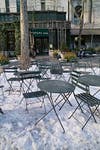
1/160 @ f/4.5 ISO 100. The snow didn’t fool the meter here in evaluative metering. Not really a day for outdoor dining, what with the dirty snow on the ground…
Sigma-DP1-100-pixel-view-of-the-previous-scene
100% pixel view of the previous scene — highlights.
Sigma-DP1-100-pixel-view-of-the-previous-scene
100% pixel view of the previous scene — mid to lowtones.
Sigma-DP1-100-pixel-view-of-the-previous-scene
100% pixel view of the previous scene — shadows.
Sigma-DP1-1-25-f-4-ISO-200.-There-seems-to-be-a
1/25 @ f/4 ISO 200. There seems to be a food joint like this on every other block in Manhattan…
Sigma-DP1-100-pixel-view-of-the-previous-ISO-200
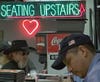
100% pixel view of the previous ISO 200 scene. There’s seating upstairs…
Sigma-DP1-Another-100-pixel-view-of-the-previous
Another 100% pixel view of the previous ISO 200 scene.
Sigma-DP1-1-20-f-4-ISO-200.-The-Sigma-DP1-naile
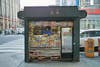
1/20 @ f/4 ISO 200. The Sigma DP1 nailed this exposure in evaluative metering mode. I wanted perfect exposure on the shaded, but lit, street stand, and was willing to let the sky and background go to get it.
Sigma-DP1-IQ
Sigma DP1 IQ
Sigma-DP1-1-250-f-9-ISO-200.-Just-another-after
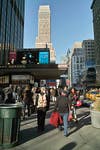
1/250 @ f/9 ISO 200. Just another afternoon outside New York Penn Station captured with the Sigma DP1 at ISO 200.
Sigma-DP1-1-200-f-8-ISO-200.-Penn-Station-cr
1/200 @ f/8 ISO 200. Penn Station — crossroads of the entire Universe.
Sigma-DP1-This-High-Dynamic-Range-Image-is-a-thre
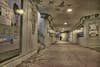
This High Dynamic Range Image is a three-shot AEB sequence merged to a single 32-bit file and Tonemapped in FDRTool 2.1 to equalize the lighting in this train station tunnel.
Sigma-DP1-This-High-Dynamic-Range-Image-is-from-a
This High Dynamic Range Image is from a three-shot AEB sequence at -3,0,+3, merged and Tonemapped in Dynamic Photo HDR using the Ultra-Contrast processor pushed way up for that surreal look.
Sigma-DP1-Here-s-a-variation-on-the-last-image-p
Here’s a variation on the last image, processed from the same source file as the last image, Tonemapped in DPHDR with the Eye Catching Tonemapper for a more subtle HDR effect.
Sigma-DP1-The-X3-Fill-Light-slider-appears-to-fun
The X3 Fill Light slider appears to function similar to an HDR Local Operator and cranking it all the way up can result in overprocessed, artificial-looking images. But with a light touch, it can be very useful.