We may earn revenue from the products available on this page and participate in affiliate programs. Learn more ›
Leica-C-LUX-2-This-image-shows-good-exposure-and
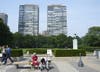
This image shows good exposure and deep depth of field in backlit conditions. The image is sharp and colors are accurate. 1/160 f/8 @ ISO 100 AWB
Leica-C-LUX-2-This-image-shot-at-28mm-shows-vis
This image, shot at 28mm, shows visible barrel distortion with the tilting building. Good exposure allows for both cloud and shadow detail to be visible. 1/160 f/8 @ ISO 100 AWB
Leica-C-LUX-2-This-image-shows-good-exposure-col
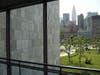
This image shows good exposure, color accuracy and contrast on a challenging scene. There’s a touch of noise in the shadows and highlights. 1/400 f/5.6 @ ISO 100 AWB
Leica-C-LUX-2-This-image-shows-high-depth-of-fiel
This image shows high depth of field even at f/2.8, the widest aperture setting. All details are sharp in this image. 1/800 f/2.8 @ ISO 100
Leica-C-LUX-2-This-image-shows-good-exposure.-Sha
This image shows good exposure. Shadow detail is visible though cloud detail is blown-out. Levels and minimal sharpening for the Web applied in Photoshop. 1/125 f/2.8 @ ISO 100 AWB
Leica-C-LUX-2-This-image-demonstrates-the-camera
This image demonstrates the camera’s ability to expose in unusual lighting situations using the spot meter. The image is properly exposed for the metered area and avoids blowing out highlight detail. 1/160 f/5.6 @ ISO 100 AWB
Leica-C-LUX-2-Perfect-exposure-and-color-accuracy
Perfect exposure and color accuracy in good lighting conditions. The camera performs well in ideal shooting conditions with even front light. 1/160 f/8 @ ISO 100 AWB
Leica-C-LUX-2-Good-exposure-and-OK-color-balance
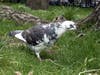
Good exposure and OK color balance with greens appearing yellowish. 1/640 f/2.8 @ ISO 100 AWB
Leica-C-LUX-2-This-high-quality-image-in-low-ligh
This high quality image in low light shooting conditions was captured using the camera’s optical image stabilization feature. It shows good exposure and excellent color balance under challenging lighting conditions. 1/8 f/4.3 @ ISO 200 AWB
Leica-C-LUX-2-In-this-image-the-building-is-prop
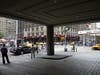
In this image, the building is properly exposed though some highlights are blown out in the white painted lines on the streets and pedestrians’ clothing. 1/160 f/2.8 @ ISO 100
Leica-C-LUX-2-This-image-shows-excellent-exposure
This image shows excellent exposure and good color accuracy and sharpness on a very challenging scene spanning several exposure values. 1/160 f/2.8 @ ISO 100
Leica-C-LUX-2-Good-exposure-sharpness-and-color
Good exposure, sharpness and color balance at the camera’s maximum focal length of 16.4mm (35mm equiv. of 100mm). Mode 1 image stabilization was used to reduce blur. 1/30 f/5.6 @ ISO 100 AWB