I, Photographer: Ballroom Dance Shooter
Stephen Marino, a former dancer, hangs up his dancing shoes and picks up a camera.
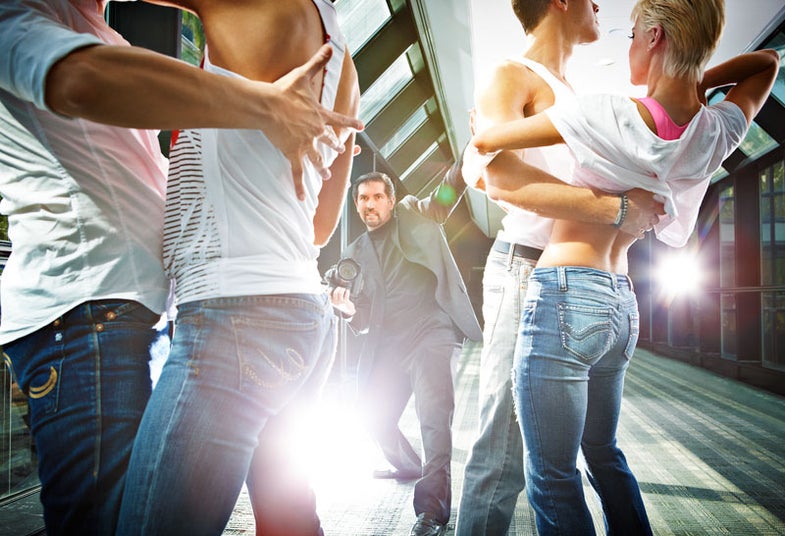
How did you go from dance to photography?
I’d been a competitive ballroom dancer for 12 years. After Hurricane Hugo uprooted my town in ’89, I ended up working in retail. But I really wanted to get back to dance, so I borrowed a friend’s point-and-shoot, went to a local studio, and asked to shoot one of their showcases. I sold the prints and decided to go back to dancing as a photographer, because there are a lot of opportunities in dance-sport. I just called up my friends, and everyone needed shots, so right off the bat I was busy.
What do you shoot with now?
A Canon EOS 5D Mark II with 24–70mm f/2.8, 70–200mm f/2.8, and 50mm f/1.4 lenses. I carry a pair of Canon Speedlite 580EX IIs for small projects. If I have a big project, I’ll carry a full remote studio—five Paul C. Buff White Lightning 1600s and a softbox.
Who are your clients?
At first I did a lot of small showcases and competitions. Now, the bulk of my work is promotional material for ads, and art prints of dancers. I just finished a book about Argentine tango. My focus isn’t to get shots that only dancers appreciate but something that everyone will like.
What’s the difference?
An art shot tells a story, so I try to get an emotional reaction from the couple, or I’ll hide part of them in shadow or shoot at an unusual angle. If a shot is too centered or well lit, only the dancers will appreciate it.
What’s your schedule like?
During the week I have smaller projects: staff headshots or promotional materials for studios. Most weekends I’m at large events across the country, where I’ll work with two or three other photographers. Some of the bigger competitions run four to six days. They’re very exciting, very fast-paced. It’s a long time to shoot—I’ve had photographers come in to dancesport and they are fried by the end of the event.
How do you shoot competitions?
The lighting in the hotel ballrooms isn’t always that good. If I’m shooting action on the floor, I’ll use a Speedlite on my camera. The exciting part happens away from the floor: I’ll set up a few lights and get art shots of the dancers. But because the couples are competing, I have about 15 to 20 minutes to shoot. So they’ll just start dancing, I’ll suggest lines, or we’ll work with a concept. I’ll either use natural light or strobes to have the couple pop off the page and freeze the action—for effect I usually light from the side or back.
What do you like best about your job?
Everything! I love every aspect of it—the traveling, the dancers that I meet. The biggest thrill is showing the clients the final product, and when they love the shot or when it makes them cry, that’s huge.
What’s the toughest part?
It’s always a challenge to create the chemistry with clients, to get them into a comfort zone so you can take them out of it, make them do whatever you ask to get a fabulous shot. The basic lighting and shooting should be automatic—it’s the emotional connection that’s a challenge
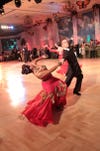
Stephen Marino 01
Location: 2010 Millennium Dancesport, Renaissance Vinoy and Golf Club in St. Petersburg, FL.
Organizer: Michael Chapman
**Camera Info: **40mm lens, Canon 5D MII. Shot at 1/200 sec, f/4 ISO 3200, no flash.
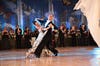
Stephen Marino 02
Location: 2010 Millennium Dancesport, Renaissance Vinoy and Golf Club in St. Petersburg, FL.
Organizer: Michael Chapman
Camera Info: 60mm lens, Canon 5D MII. Shot at 1/500 sec, f/4.5, ISO 4000, no Flash.
Stephen Marino 03
Location: Nashville, TN, Promotional Materials.
Camera Info: 24mm lens, Canon 5D MII, Shot at 1/50 sec, f/2.8, ISO 1600 using off camera flash.
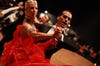
Stephen Marino 04
Location: Stardust Open, Trump Taj Atlantic City, NJ.
Organizer: Chuck Danza
Camera Info: 70mm lens, Canon 5D MII. Shot at 1/320 sec, f/2.8 ISO 4000, no flash.
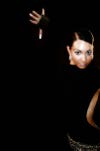
Stephen Marino 05
Photo Info/location: Katusha and Russ were my first photo session. Photo taken in 2001 in Atlanta. Photo used in Capezio world widead campaign.**
****Camera Info: **Kodak Point and shoot. No zoom, used all automatic Home Depot lights on home made stands and a black back drop.
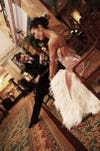
Stephen Marino 06
Location: 2010 Wisconsin State Dancesport Championship, Pfister Hotel in Milwaukee, WI.
**
**
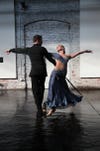
Stephen Marino 07
Location: Atlanta, GA, Promotional photos Atlanta-Ballroom Dance Clubs.**
****Camera Info: **35mm lens, Canon 5D MII. Shot at 1/400 sec, f/4 ISO 1250, no flash.
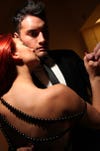
Stephen Marino 08
Photo Info: **DWTS Cover for the book “TANGO! . . .In Your Wildest Dreams!”
****Camera Info:** 24mm lens, Canon 5D MII. Shot at1/60 sec, f/4 ISO 400, using off camera flash.
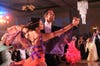
Stephen Marino 09
Location: 2009 Millennium Dancesport Championships, St. Pete, FL.
Organizer: Michael Chapman
Camera Info: 70mm lens, Canon 5D MII. Shot at 1/500 sec, f/2.8 ISO 3200, no flash.
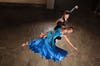
Stephen Marino 10
Location: 2011 Heritage Classic, Grove Park Inn, Ashville, NC.**
****Camera Info:** 35mm lens, Canon 5D MII. Shot at1/200 sec, f/4 ISO 250, using White Lightning strobes with umbrellas, bare bulb.
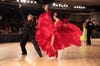
Stephen Marino 11
Location: 2011 Heritage Classic, Grove Park Inn, Ashville, NC.**
****Camera Info:** 65mm lens, Canon 5D MII. Shot at 1/320 sec, f/4 ISO 2500, no flash.
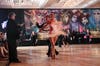
Stephen Marino 12
Location: 2011 Florida SuperStars, Hyatt Regency Tampa, FL.
Organizer: Michael Chapman and John Moldthan.
Camera Info: 60mm lens, Canon 5D MII. Shot at 1/160 sec, f/4.5 ISO 1250, no flash.
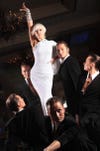
Stephen Marino 13
Location/Photo Info: Promotional materials, Florida.**
****Camera Info:** 70mm lens, Canon 5D MII. Shot at 1/200 sec, f/6.3 ISO 1600, using two White Lightning Strobes.
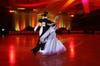
Stephen Marino 14
Location: 2009 Desert Classic, Desert Springs JW Marriott Resort & Spa.
Organizer: Igor & Irina Suvorov
**Camera Info: **Canon 5D MII. Shot at 1/25 sec, f/2.8 ISO 200, no flash.
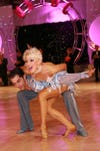
Stephen Marino 15
Location: 2008 United States Dance Championships, Loews Royal Pacific Resort at Universal Orlando, FL.
Organizer: Wayne Eng
**Camera Info: **48mm lens, Canon 5D MII. Shot at 1/160 sec, f/4 ISO 250, using an on-camera-flash.